
Partnering in GLP-1 Patient Care
Gastrointestinal effects, including nausea and constipation, are common considerations with GLP-1 therapy. Explore clinical insights, practical strategies, and emerging data to help guide patient care.

Supporting Patients During GLP-1 Therapy
Clinical experience suggests that anticipatory counseling prior to initiation and during dose escalation may help set expectations regarding gastrointestinal effects.
Considerations in practice may include:
- Gradual dose escalation strategies
- Dietary modifications (smaller meals, reduced fat intake)
- Hydration guidance
- Ongoing symptom monitoring during titration
Regular follow-up may help identify patients who require additional supportive strategies.

New Clinical Data: Ginger Pilot Study
Nausea is a common management consideration in patients receiving GLP-1 therapy¹. Supportive, non-prescription options may be discussed within broader symptom management strategies where clinically appropriate.

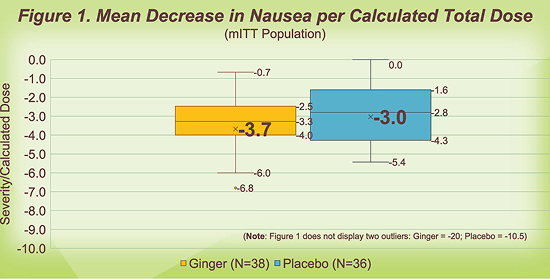
In a double-blind, placebo-controlled pilot study conducted by Prestige Consumer Healthcare, post-dose nausea severity declined 3.7 points in participants randomized to Ginger vs. 3.0 points in participants randomized to Placebo (Figure).
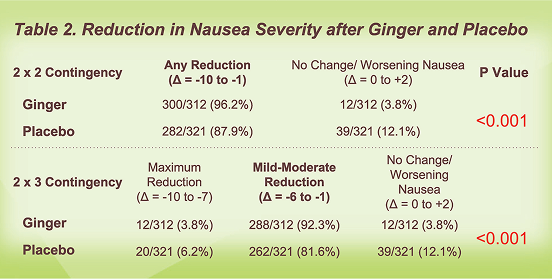
The table shows Ginger reduced nausea severity in 96.2% of events while Placebo reduced nausea severity in only 83.0% of events (p<0.001, Chi-square test).

Gastrointestinal Side Effects Associated with GLP-1 Therapy: Focus on Nausea and Constipation
Glucagon-like peptide-1 receptor agonists (GLP-1s) are approved for use in the management of type 2 diabetes and obesity. As an increasing number of patients are prescribed GLP-1s, the gastrointestinal (GI) side effects associated with GLP-1 therapy are becoming an important consideration in patient management.


References
- Wilding JPH, Batterham RL, Calanna S, et al. Once-weekly semaglutide in adults with overweight or obesity. N Engl J Med. 2021;384:989–1002.
- Pi-Sunyer X, Astrup A, Fujioka K, et al. A randomized, controlled trial of 3.0 mg of liraglutide in weight management. N Engl J Med. 2015;373:11–22.
- Blundell J, Finlayson G, Axelsen M, et al. Effects of once-weekly semaglutide on appetite, energy intake, control of eating, food preference and body weight in subjects with obesity. Diabetes Obes Metab. 2017;19(9):1242-1251.
- Husain M, Birkenfeld AL, Donsmark M, et al. GLP-1s and cardiovascular outcomes in patients with Type 2 diabetes. N Engl J Med. 2019;381:841-51.
- Product insert: OZEMPIC (semaglutide) injection, for subcutaneous use. Initial U.S. approval: 2017.
- Filippatos TD, Panagiotopoulou TV, Elisaf MS. Adverse effects of GLP-1 receptor agonists. Rev Diabet Stud. 2015;11(3):202–230.
- [SAMPLE] Additional reference.
Sources
- Wegovy (semaglutide) injection [prescribing information]. Novo Nordisk Inc; 2024. Accessed June 2026. https://www.accessdata.fda.gov
- Zepbound (tirzepatide) injection [prescribing information]. Eli Lilly and Company; 2024. Accessed June 2026. https://www.accessdata.fda.gov
- American Diabetes Association. Standards of care in diabetes—2024. Diabetes Care. 2024;47(suppl 1).
- Garvey WT, Mechanick JI, Brett EM, et al. AACE clinical practice guideline for the pharmacological management of obesity. Endocr Pract. 2022;28(9):923-1049.